UNICEF raises the alarm: One in Four Nigerian girls out-of-school, millions lack basic learning skills
By Mohammed Ismail
The United Nations Children’s Fund (UNICEF) has raised the alarm over the state of girls’ education in Nigeria, disclosing that one in every four girls is out of school, while nearly three-quarters lack foundational literacy and numeracy skills.
The figures have renewed concerns over the impact of poverty, insecurity, harmful cultural practices and unsafe learning environments on girls’ access to education and their prospects for a better future.
Related news
Unicef, EU-SARAH initiative hands over medical equipment worth millions to Adamawa Govt
Two more Adamawa LGs to be free from open defecation as UNICEF unveils DGIS – ASWA III
UNICEF Education Officer in Abuja, Blessing Afuwai, disclosed this on Monday during the 2026 commemoration of the International Day of the Girl Child, organised by the Federal Ministry of Education in Abuja.
Afuwai said that despite efforts to expand access to education, millions of Nigerian girls continued to face barriers preventing them from enrolling in school, remaining in the classroom and completing their education.
She identified economic hardship as one of the major factors pushing girls out of school, explaining that some families struggling to meet their basic needs are forced to withdraw their daughters from educational institutions.
According to her, insecurity, inadequate learning facilities, adolescent pregnancy and gender-based violence further compound the challenges confronting girls across the country.
“When girls are denied opportunities to learn and develop skills, their prospects for employment, economic empowerment and meaningful participation in society are significantly diminished,” she said.
The UNICEF official warned that denying girls access to education does not only undermine their individual aspirations but also limits their opportunities for economic independence, leadership and meaningful contributions to national development.
She called on the Federal Government, state governments, communities and development partners to intensify efforts to bridge the gap between girls’ aspirations and the realities confronting them.
Afuwai reaffirmed UNICEF’s commitment to support the Federal Government in ensuring that every girl has access to quality education, acquires relevant skills and completes her schooling.
She also pledged continued collaboration with the government through the Nigeria Education Sector Renewal Initiative, launched by the Minister of Education, Dr Olatunji Alausa, to promote inclusive and equitable learning opportunities.
FG moves to tackle gender gap in education
Meanwhile, the Federal Ministry of Education has reaffirmed its commitment to reduce gender disparities in education, improving girls’ enrolment and completion rates, and creating safer learning environments across the country.
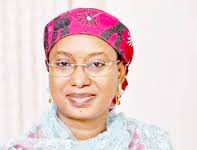
The Acting Permanent Secretary of the ministry, Dr Olatunji-David Olubanke Folake, who spoke on behalf of the ministry’s leadership, said the government was strengthening policies and programmes to improve girls’ access to education, retention and transition between educational levels.
She said the ministry was implementing the National Policy on Gender Education while working with development partners and non-governmental organisations to provide safe learning spaces, menstrual hygiene support and scholarships to encourage school attendance.
According to her, the government is adopting an integrated approach that combines education with healthcare, protection and empowerment to address the multiple challenges preventing girls from reaching their full potential.
She identified the Adolescent Girls Initiative for Learning and Empowerment (AGILE) and the Lumina Project for Girls as among the initiatives designed to widen educational opportunities and equip girls with relevant skills.
The ministry also pledged to strengthen girls’ participation in secondary and tertiary education, particularly in science, technology, engineering and mathematics (STEM), while promoting digital literacy, leadership development, vocational training and life skills.
Folake further stressed the need to protect girls against gender-based violence, improve girl-friendly policies and ensure that young females have a voice in decisions affecting their education and future.
Addressing schoolgirls at the event, she urged them to believe in their abilities, pursue their ambitions and recognise the value of their contributions to society.
“You are powerful. You are valuable. You are not a burden. You are a blessing. Your dreams are valid. Your voice matters, and your future is bright,” she said.