
Emirs, chiefs vow to ensure zero out-of-school syndrome in Adamawa
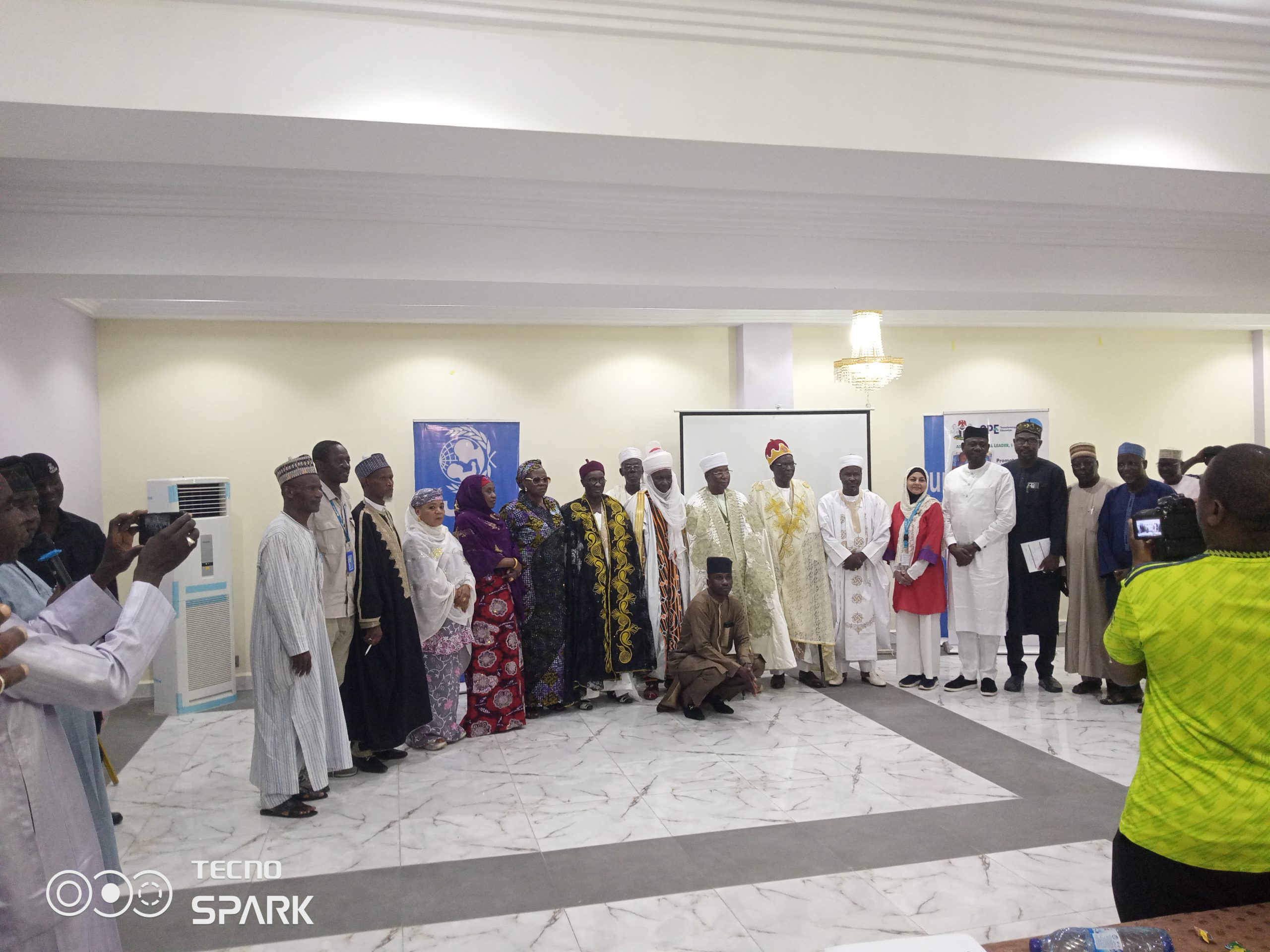
In a renewed commitment to tackle the alarming rate of out-of-school children in Adamawa State, traditional rulers from the central senatorial zone have vowed to ensure zero out-of-school syndrome within their domains. Leading the charge is the Lamido of Adamawa and Chairman of the Council of Emirs and Chiefs, His Royal Highness Muhammadu Barkindo Aliyu Mustapha, who alongside other royal fathers, pledged to use their influence to restore the dignity and importance of education across communities.
The pledge was made during a high-level orientation meeting organized in Yola on Tuesday as part of a broader initiative to reposition traditional leaders as education champions. The event was jointly hosted by the Adamawa State Government and the Global Partnership for Education (GPE), with support from UNICEF.
Related news
Out of School Children: Any Hope for the North East?
Two more Adamawa LGs to be free from open defecation as UNICEF unveils DGIS – ASWA III
Adamawa police rescue 13 trafficked children, 4 kidnap victims
Despite recent strides by the government to improve the education sector, a UNICEF backed report published in January 2024 shows that around 886,634 children are out-of-school in the state.
Challenges such as infrastructural deficits, poverty, learning gaps, low retention, and limited access to quality education continue to undermine efforts at providing quality and all inclusive education.
Addressing these issues, the royal fathers pledged to leverage their roles as custodians of culture and tradition to deepen advocacy, foster community participation, and enhance accountability within their respective domains. They stressed the urgency of addressing the root causes of the out-of-school crisis and promised to work with relevant stakeholders to boost enrollment, retention, and completion rates.
Speaking at the event, the Adamawa State Commissioner for Education and Human Capital Development, Dr. Garba Umar Pella, reiterated the government’s unwavering commitment to revamp the sector. He said Governor Ahmadu Umaru Fintiri has prioritized education in both his first and second term agenda with significant investments made to improve access and quality.
Dr. Pella revealed that the state is currently reviewing laws to make education compulsory, warning that, in the near future, any parent who fails to enroll their child in school could face the prospects of going to jail. He described the involvement of traditional rulers as a “major turning point” in the sector’s reform process, stating that their support would help strengthen community ownership and sustainability of ongoing interventions.
UNICEF’s Chief of Field Office in Bauchi, Dr. Nuzhat Rafique, underscored the importance of ensuring every child receives an education, describing it as a fundamental right that guarantees a secure and productive future. She commended the state government’s dynamic approach to tackling educational challenges and called on traditional institutions and other stakeholders to actively support the state’s efforts.
Dr. Rafique further stressed the need to address critical gaps in the education sector, such as low enrollment, inadequate teaching capacity, gender inequality, and lack of inclusive learning environments. She urged all partners to collaborate closely in pursuit of a robust, equitable education system that leaves no child behind.
The event ended with a collective resolution from the traditional rulers to champion education in their communities and support policies and programs aimed at eradicating the out-of-school phenomenon in Adamawa State.