
Vulnerable children adversely affected by climate change – Experts
By Mohammed Ismail
Climate change is increasingly threatening the health, nutrition and education of children in Adamawa State as changing rainfall patterns, rising temperatures and extreme weather events continue to undermine livelihoods and food production.
Experts who spoke during a climate change and WASH engagement in the state warned that children, particularly those from vulnerable and farming-dependent households, will be among the worst affected by the growing effects of climate change.
Related news
Consequences of climate change worst than terrorism – Dr. Vahyala Teri
Adamawa: Emnamu foundation wages war against climate change, plants 100k trees
Climate change: Youths begin planting of 2150 trees at FMC Birnin Kudu
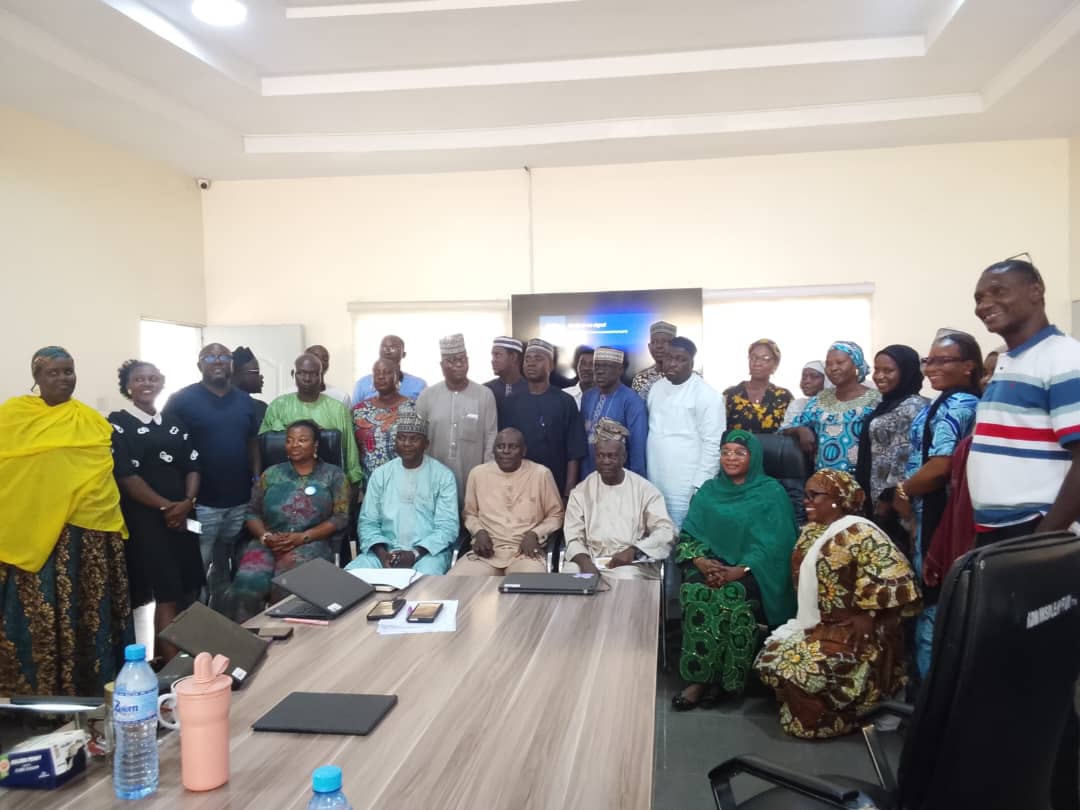
The activity was coordinated by the Adamawa State Government with support from UNICEF and the ASWA III Project, funded by the Government of the Netherlands.
In his presentation, Prof. Abel Adebayo said climate change was already altering the state’s weather and agricultural patterns, with rising temperatures and increasingly unpredictable rainfall affecting when farmers can plant and harvest their crops.
He noted that studies conducted in Adamawa showed that the commencement of the planting season had shifted significantly over the years—from around late April in the 1990s to as late as June in recent times.
According to him, the shift, coupled with prolonged dry spells and extreme weather events, is placing enormous pressure on farming communities and threatening household food security.
He cited preliminary findings from a study of the 2024 drought in Adamawa, which showed significant declines in the production of major crops.
The study, he said, found that groundnut production declined by 31 per cent compared with a normal year, while beans recorded a 46 per cent reduction. Maize and rice production also declined by about three per cent each.
The professor warned that the consequences of declining agricultural production go far beyond farmers’ incomes, particularly in households where children depend on crops such as beans and groundnuts as important sources of food and protein.
“When nutrition is affected, disease and the health of our children are also in danger,” he stressed, linking the deteriorating agricultural situation to the wider health and welfare of children.
He further disclosed that rainfall patterns had also changed considerably, citing a reported 31.7 per cent decline in annual rainfall and a 31 per cent reduction in the number of rainy days.
Rainfall in May reportedly fell by 47 per cent, while July recorded a 46 per cent reduction. The most dramatic decline, he said, occurred in September, when rainfall dropped by 76.3 per cent.
The changing weather pattern, according to Adebayo, has made agricultural planning increasingly difficult for farmers, with many unable to cultivate their farms during periods that were traditionally regarded as part of the planting season.
Adebayo identified rising temperatures as another serious threat, particularly because of the vulnerability of children to extreme heat.
He linked climate change to increasing concerns over heat-related diseases and deaths, while also highlighting malnutrition, hunger, displacement and disruption of education among the consequences of climate-related shocks.
“When food is affected, both in quality and quantity, children suffer,” he noted, adding that displaced families often include large numbers of women and children, who are among the most vulnerable groups during emergencies.
He said, cimate-related displacement can also interrupt schooling, leaving children out of classrooms and exposing them to further socioeconomic hardship. displacement can also interrupt schooling, leaving children out of classrooms and exposing them to further socioeconomic hardship.
Adebayo described Adamawa as highly vulnerable to climate change, citing the state’s exposure to high temperatures, fluctuating rainfall, changing vegetation and flooding risks in communities located along rivers.
He said climate vulnerability was determined by three major factors: exposure, sensitivity and adaptive capacity, adding that the state’s adaptive capacity remained low, thereby increasing the severity of climate-related impacts.
The expert also identified the burning of fossil fuels and deforestation as major contributors to climate change.
He explained that the destruction of forests creates a “double-edged” problem because trees naturally absorb carbon dioxide from the atmosphere, while their removal reduces this carbon sink and releases additional carbon into the atmosphere when trees are burned or used as firewood and charcoal.
He also pointed to emissions from livestock, particularly methane, as another contributor to greenhouse gas emissions.
Speaking on the response to the crisis, Aisha Yusuf, head of WASH unit in RIWASSA said climate considerations must now be integrated into water, sanitation and hygiene interventions.
She said communities were being encouraged to work with WASH structures, volunteers, youth groups, traditional leaders and other stakeholders to strengthen climate action.
Yusuf stressed that monitoring WASH interventions should no longer focus exclusively on access to water and sanitation facilities but must also incorporate climate and gender indicators.
She disclosed that UNICEF-supported youth groups, including the YPASS initiative, were already undertaking climate action and awareness activities.
She said environmental health clubs in schools were also being expanded to include climate change activities alongside personal hygiene, environmental sanitation, safe waste disposal, water safety and food hygiene.
She noted that the initiative also incorporates menstrual health and hygiene, with young people being encouraged to become champions capable of influencing positive behaviour within their schools and communities.
Yusuf identified water conservation, waste management, advocacy and climate-change awareness as some of the practical actions young people can undertake to help communities adapt.
She cited Daso Fulani as an example of the need for better management of water resources.
The experts emphasised that responding to climate change requires a combination of mitigation and adaptation.
The General Manager of RUWASSA, Emmanuel Esly, also commended UNICEF, the Government of the Netherlands and Governor Ahmadu Umaru Fintiri for their support to the WASH sector.
Esly said RUWASSA was working to ensure that more local government areas achieved Open Defecation Free (ODF) status, while describing the level of support to the sector as unprecedented.