Dangote vs. NUPENG: The Clash That Affects Us All
By Tahir Adewale Wali
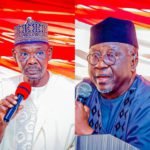
The standoff between Aliko Dangote and the powerful oil workers’ union, NUPENG, is more than a corporate spat. It is a struggle that could shape Nigeria’s energy future and directly affect millions of Nigerians who depend on stable fuel supply.
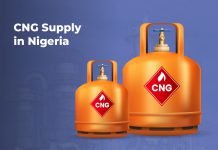
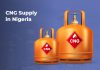
At the center of the clash is Dangote’s decision to purchase 4,000 Compressed Natural Gas (CNG) trucks for direct fuel distribution. Alongside this move, he declared that his drivers would not be allowed to join NUPENG. For Dangote, this is about survival. He wants to avoid a scenario where union-controlled supply chains or marketers could strangle his refinery operations. Direct distribution is his insurance policy.
Related news
NUPENG talks tough, serves petrol marketers strike notice over price hike
Nigerian refineries, are financial blackholes – Dangote
NUPENG threatens nationwide strike over dispute with Dangote refinery
But the Constitution guarantees workers the right to free association. If his drivers want to join a union, they have that right. Dangote’s position, while logical from a business standpoint, rests on shaky legal ground.
NUPENG, for its part, presents itself as a defender of workers. Yet critics point out that its real interest lies in money. For every liter of fuel loaded at depots, NUPENG collects ₦1—a fee that adds up to billions daily. The union does not maintain roads or provide significant welfare for members. Instead, much of the money enriches its leaders, many of whom own fleets of trucks themselves. Dangote’s direct distribution model threatens this cash flow, which explains NUPENG’s fierce opposition.
Here lies the truth: both Dangote and NUPENG are fighting for self-preservation, not for the ordinary Nigerian. If NUPENG strikes, fuel shortages will hit the public. If Dangote succeeds in blocking union membership, drivers may be stripped of collective bargaining power. Either way, citizens are the collateral damage.
Can Dangote win? History suggests it will be difficult. NUPENG has outmaneuvered governments before. Only General Sani Abacha temporarily broke its power by deploying military trucks during a strike. Once he died, the union returned stronger. Dangote’s economic might is formidable, but he faces a battle-hardened union.
What is needed now is government intervention—not to take sides, but to enforce balance. Workers’ rights must be protected, but unions must be held accountable. NUPENG’s finances should benefit members, not just leaders. Likewise, Dangote cannot run his empire as if national labor laws don’t apply.
Most importantly, Nigeria must diversify its logistics channels so no single union or company can hold the nation hostage. Our energy security should not depend on the whims of one billionaire or one union.
The era of transporting petroleum products across Nigeria by rail is long behind us. Back then, fuel availability at filling stations was more predictable and steady. That system not only spared the nation’s highways from the wear and tear of heavy articulated trucks but also reduced the risks of accidents, spillages, fires, and tragic loss of lives.
Today, concentrating over 4,000 CNG distribution trucks in the hands of a single individual poses a significant risk. If, for any reason, those trucks—or Dangote himself—decided not to lift products for just a few days, the economic consequences would be devastating.
The solution lies in restoring balance: the Federal Government should strengthen and control petroleum logistics through rail cargo systems, ensuring energy security is not left at the mercy of one man’s fleet consequent fires and loss of lives.
The restoration of railway cargo operations could provide Dangote with a crucial advantage.
The Dangote vs. NUPENG battle is a wake-up call. Unless government steps in to regulate both sides fairly, Nigerians will continue to pay the price of a broken system.
Wali writes from Abuja.