
Iran supreme leader, Khamenei, several family members killed by US/Israel strikes
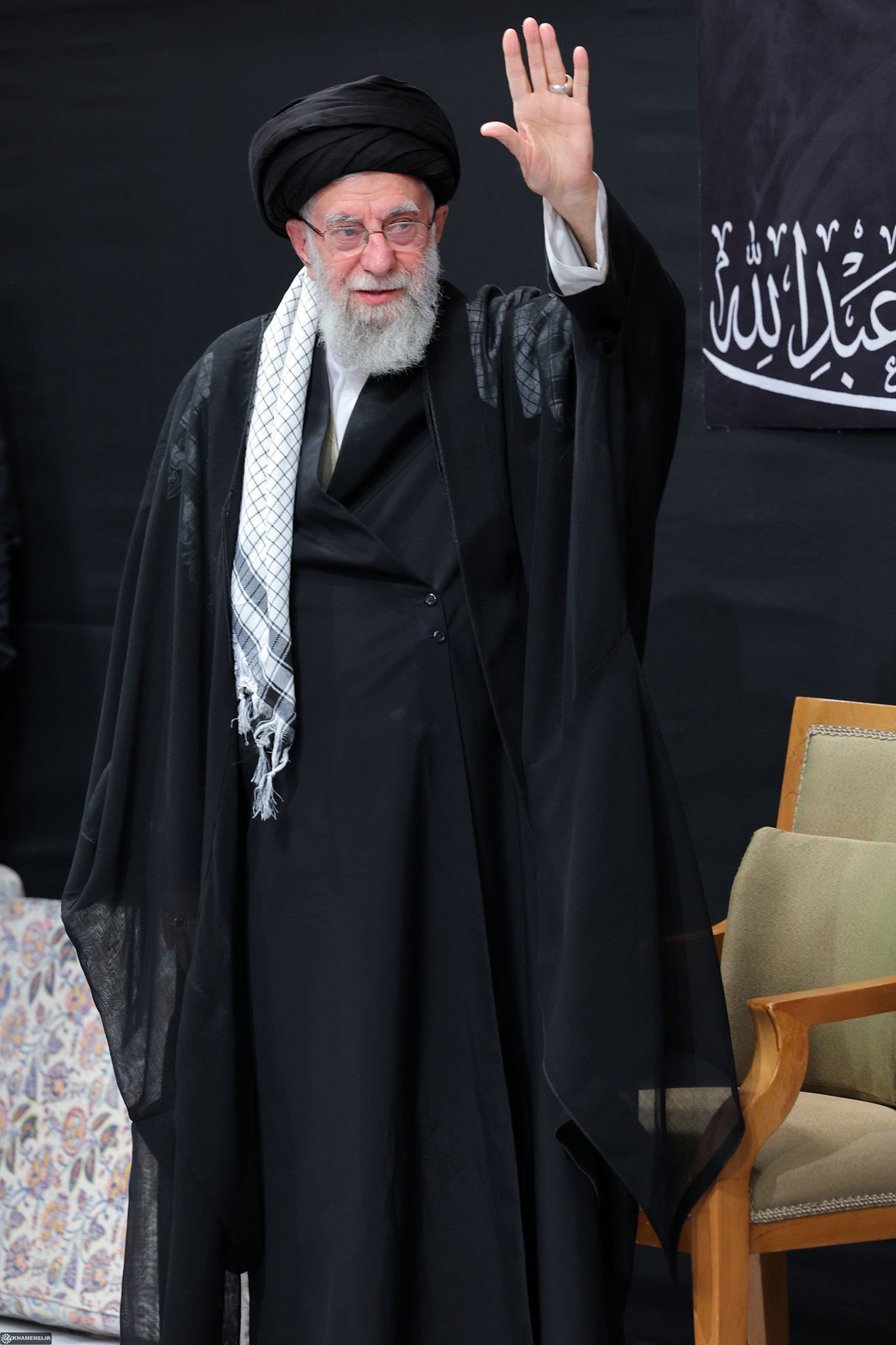
The supreme leader of Iran, Ali, Khamenei and several members of his family have been confirmed dead following a coordinated attack on the country by the United States and Israel.
Iranian government and state media confirmed the incident noting that the 96 year-old leader who superintend the affairs of the country since 1989 was killed.
Related news
Iran, beware the fangs of January, the scourge of February, the ides of March (2)
1st anniversary: Boss Mustapha extolls Huba chiefdom’s progress, urges unity
Ousted Venezuelan leader, Maduro, wife enter no guilty plea in US court
Iranian media also announced a 40-day period of public mourning, as well as a seven-day national holiday.
The confirmation follows earlier reports from U.S. authorities, including U.S. President Donald Trump, who declared on social media that Khamenei had been killed in the joint offensive, a campaign he described as “major combat operations” intended to curb Iranian military capacity.
State media also reported that several of Khamenei’s close family members including his daughter, son-in-law and grandchild died during the strikes.
Iran’s public broadcaster showed footage of supporters in the city of Mashhad mourning the loss at the Imam Reza Shrine, with many crying and wailing, underscoring the emotional depth of the crisis.
In the absence of a designated successor, Iran’s official state news agencies reported that a temporary leadership council will assume authority.
This three-person body comprising the nation’s president, judiciary chief, and a senior jurist from the Guardian Council is tasked with governing during the transition.
State media also claimed a strike on a school in southern Iran killed at least 108 people, and that the toll across 24 provinces surpassed 200 lives. The figures reflect a rapidly deteriorating humanitarian situation.
Iran’s military response to the offensive reportedly targeted U.S. and Israeli assets throughout the Middle East, including locations in Qatar, United Arab Emirates, Kuwait, Bahrain, Jordan, Saudi Arabia, and Iraq.
Several nations shut their airspace as hostilities unfolded.
Harlan Ullman, chairman of the strategic advisory Killowen Group, said killing a figure of Khamenei’s stature was a strategic misstep.
He warned that removing the leader could embolden others such as Ali Larijani a senior figure in Iran’s security establishment and complicate diplomatic prospects.
Ullman cautioned against expecting negotiation outcomes similar to other geopolitical scenarios involving leadership decapitation.
The death of Iran’s Supreme Leader marks a historic turning point for Tehran and the region. Khamenei’s decades-long rule defined Iran’s identity as a theocratic state with expansive regional influence, incorporating both domestic political control and external military strategy.
His passing introduces uncertainty in diplomatic channels, military engagements, and the shadowy balance of power that has governed Middle Eastern geopolitics for decades.
Global powers and regional actors alike are now recalibrating their responses, with international calls for caution and de-escalation intensifying even as military operations continue.