
Gazette News Nigeria takes the lead with digital newsroom training in Yola
In a modest Yola office, an African media team learns what coordination really looks like, and it looks nothing like group chats and guesswork
By Vangawa Bolgent | The Gazette News (Nigeria)
On Monday, March 2, 2026, something unusual happened in a newsroom in Yola. The reporters put down their notebooks, the editors stepped away from their dashboards, and everyone in the room sat down to learn.
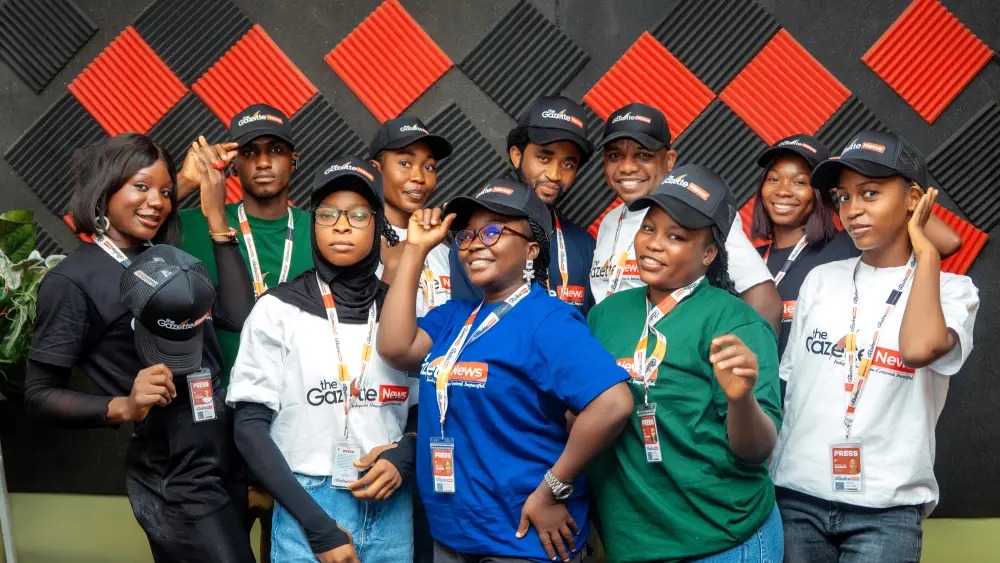
Vangawa Bolgent, Founder and Editor-in-Chief of Gazette News Nigeria, had gathered his editorial team at the publication’s K24 GRA Old Karewa headquarters for training on digital task management, the kind of workflow infrastructure that major newsrooms from London to Nairobi now treat as standard. For many African national dailies, it remains rare.
“Learning, as they say, does not end,” Bolgent told his staff. “It is a continuous process. You will imagine you know it all until a new phase unfolds.”
The training was facilitated by Rali Media, a Yola-based video and photography studio widely recognised across the northeast for its professional standards and consistent industry portfolio. Radeno Haniel, Founder and CEO of Rali Media, and Ogyem Jackson Palke, the company’s Production Manager, led the thirty-minute session with the authority of practitioners who have lived the operational challenges they were teaching to address.
“Effective journalism today goes beyond writing,” Palke told the assembled team. “It requires structure, coordination, and time consciousness. The most talented reporter in the world cannot succeed if they’re constantly unclear about deadlines, unaware of what colleagues are covering, or unable to communicate progress to editors who need to make real-time decisions.”
For Pamela Daniel, Gazette News Nigeria’s real estate correspondent, the coordination gaps have long been a source of professional frustration. She would finish researching a major property development story only to discover a colleague in another bureau had already filed a similar piece. Duplicated effort, wasted time, and no shared visibility into what anyone across the country was working on.
Sa’adat Sani Azumi, the education correspondent, described a different but equally familiar problem. When a federal minister announces a major policy shift, every minute matters. Sorting out by phone call and group message who covers what angle, from which location, meant competitors had already published before Gazette News Nigeria had settled its own assignments.
“We had the talent and the sources,” Azumi said. “But not the coordination systems to deploy our resources efficiently.”
Murna Joy Joshua, the technology correspondent, put it plainly. “Technology news moves incredibly fast,” she said. “If you are not coordinated with your team, you miss the story or duplicate what someone else is already writing.” For Praise Jacob, the publication’s film editor, the problem showed up differently; arriving constantly at last-minute requests for visual elements on stories she had not known were in the pipeline.
Participants were guided through installation and usage on their mobile phones, a deliberate choice that reflects the working reality of African journalists who report primarily from smartphones across regions where desktop connectivity remains unreliable. By the session’s end, tasks had been assigned to each staff member based on their role and bureau location. The system was not introduced and filed away for consideration. It was activated the same day.
Bolgent’s rationale for treating this as urgent rather than optional is direct. “No amount of editorial talent compensates for organizational dysfunction that prevents stories from reaching audiences,” he said after the session. “Operational excellence is not bureaucratic overhead. It is what allows editorial mission to actually happen.”
Gazette News Nigeria runs bureaus across two locations, covering national stories from Adamawa to Abuja across politics, business, agriculture, culture, education, health, real estate, and entertainment. That footprint creates both opportunity and complexity that no amount of individual talent can manage alone.
Daniel captured the distinction cleanly. “The best technology disappears into your workflow,” she said. “You stop thinking about the tool and just think about the work. That is when you know operational improvements have actually taken root.”