Sanusi warns Tinubu: Don’t treat poverty complaints as political attacks
By Mohammed Ismail
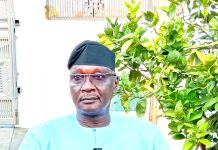
The Emir of Kano, Alhaji Muhammadu Sanusi II, has cautioned the Federal Government against interpreting public complaints about poverty and economic hardship as deliberate attempts to undermine President Bola Tinubu’s administration.
Sanusi urged the government to embrace constructive criticism, stressing that Nigerians expressing frustration over worsening living conditions should not automatically be branded enemies of the administration.
Also read
Anti FG ranting: I was quoted out of context; Sanusi makes U-turn
Kano royal tussle: Pro-Bayero kingmaker vows to challenge Sanusi at S’court
As legal fireworks continue, another court orders Sanusi’s eviction from Kano palace
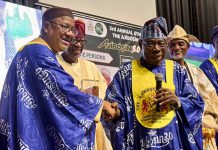
The former Governor of the Central Bank of Nigeria (CBN) gave the advice while speaking virtually at the Oxford Global Think Tank Leadership Conference organised by the Oxford Global Think Tank on Tuesday.
He maintained that acknowledging the suffering of citizens was essential to addressing the country’s economic challenges, warning that dismissing complaints as political hostility would amount to avoiding the realities confronting ordinary Nigerians.
“It’s not every time people talk about poverty or talk about difficulty that they’re just enemies of the government or making an attack on the president. That is not how to respond to economic distress,” he said.
The monarch also questioned the Federal Government’s expenditure pattern, arguing that its commitment to fiscal consolidation would remain questionable unless government spending was brought under control.
Citing World Bank figures, Sanusi disclosed that debt servicing reportedly consumed 124 per cent of the Federal Government’s revenue in the first half of the year, describing the country’s debt burden as a major concern requiring urgent attention.
He called for a comprehensive review of public expenditure, insisting that Nigeria must confront the sustainability of its debt and implement deeper structural reforms beyond the removal of fuel subsidies and the liberalisation of the foreign exchange market.
According to him, economic reforms should be comprehensive and supported by clearly defined spending priorities that reflect the country’s limited resources and competing development needs.
Sanusi argued that government must make deliberate choices in allocating funds to critical sectors, including roads, electricity, agriculture and technology, rather than spreading resources without a clearly established development strategy.
He illustrated the consequences of poor spending priorities by observing that every $10 billion committed to road construction represented the same amount unavailable for investment in electricity and agriculture.
The former CBN governor, however, acknowledged that the Tinubu administration’s economic policies had recorded measurable gains in some macroeconomic indicators, urging Nigerians not to overlook the progress.
He cited improvements in economic growth, inflation and foreign reserves, noting that Nigeria’s average GDP growth had reportedly increased from 0.9 per cent under the previous administration to 4.5 per cent.
He also pointed to a decline in inflation from above 30 per cent to 14.5 per cent and an improvement in the country’s foreign reserves from what he described as a negative position in 2023 to approximately $55 billion.
“I think moving from an average growth rate of 0.9 per cent to 4.5 per cent is progress. Moving from inflation of over 30 per cent to 14.5 per cent is progress,” he said.
Sanusi added that the reported recovery in foreign reserves was another indication that the government’s reforms were producing some positive results.
Despite these improvements, the traditional ruler warned that macroeconomic gains should not be mistaken for improved living conditions, insisting that the real test of economic reforms was their impact on the welfare of ordinary Nigerians.
He identified widespread poverty, hunger, malnutrition, maternal mortality and inadequate access to quality education and healthcare as persistent challenges requiring urgent government intervention.
The Emir further faulted the apparent failure to put adequate social protection measures in place from the outset of the reforms, arguing that vulnerable households should have been protected against the immediate consequences of the government’s economic adjustments.
He maintained that economic policies must ultimately translate into better living conditions, improved access to essential services and greater opportunities for citizens.