Adamawa journalist Ojoma, ADSPHCDA provide hygiene kits to 150 pregnant women
No fewer than 150 expectant mothers in Jambutu community, Adamawa State, have benefited from a health outreach programme that combined the distribution of hygiene kits with critical maternal education.
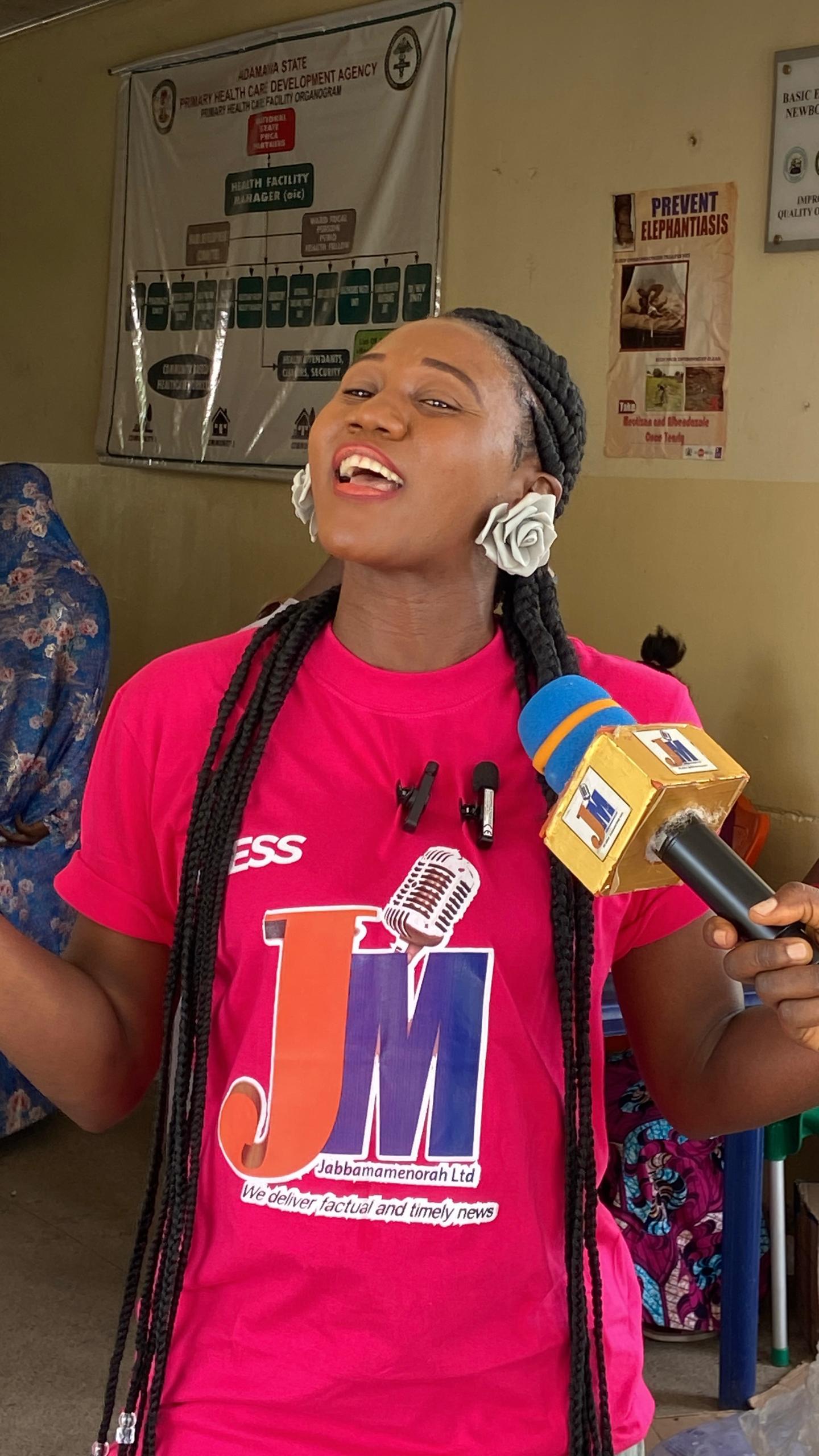
The initiative was organised by the Adamawa State Primary Health Care Development Agency (ADSPHCDA) in partnership with journalist Ojoma Yusuf, and held at the Jambutu Primary Health Care Centre.
Related news
ACF unveils sexual, reproductive health and rights initiative for women, girls in Adamawa
Adolescent girls in Adamawa call for more safe spaces, empowerment
Strengthening resistance: Adamawa kicks off NIPDs campaign for 1.4m children
The programme focused on key areas of maternal and child wellbeing, including personal hygiene, proper nutrition, and exclusive breastfeeding especially within the first 1,000 days of a child’s life, widely regarded as the most crucial phase of development.
Speaking during the event, the Assistant Director of Maternal and Child Health at ADSPHCDA, Elvina Dauda, stressed the importance of maintaining good hygiene and attending regular antenatal and postnatal care sessions. She cautioned against neglecting early childcare practices, noting that the foundation for a child’s long-term health and development is laid within this early period.
She urged the expectant mothers to take cleanliness seriously and to strictly follow medical advice throughout pregnancy and after delivery.
Also addressing participants, the Officer-in-Charge of the Jambutu Primary Health Care Centre, Semira Ismaila, encouraged the women to adopt healthy eating habits and stay well-hydrated to support the growth and wellbeing of their unborn babies.
In her remarks, the convener of the outreach, Ojoma Yusuf, explained that the initiative was inspired by her participation in a training workshop organised by UNICEF, which deepened her understanding of maternal and child health issues. She said the experience motivated her to take action, particularly in supporting vulnerable women at the community level.
According to her, the collaboration with the Jambutu health facility was designed to raise awareness and promote safer health outcomes for both mothers and their children, with special emphasis on the first 1,000 days—a period she described as critical in shaping a child’s future.
Beneficiaries of the programme expressed appreciation for the initiative, noting that it was the first time a journalist had directly engaged them on health-related issues. They commended both the organiser and the health centre for the impactful intervention and welcomed the support provided through the hygiene kits.
The outreach concluded with the distribution of wash kits to all participants, reinforcing the importance of hygiene as a cornerstone of maternal and child health.