
Rising child abuse: Stakeholders express angst, vow increased advocacies, awareness
By Mohammed Ismail
Stakeholders in child protection across Bauchi, Gombe and Adamawa States have raised serious concerns over the rising cases of child abuse and neglect, calling for urgent, coordinated action to safeguard the rights and wellbeing of children.
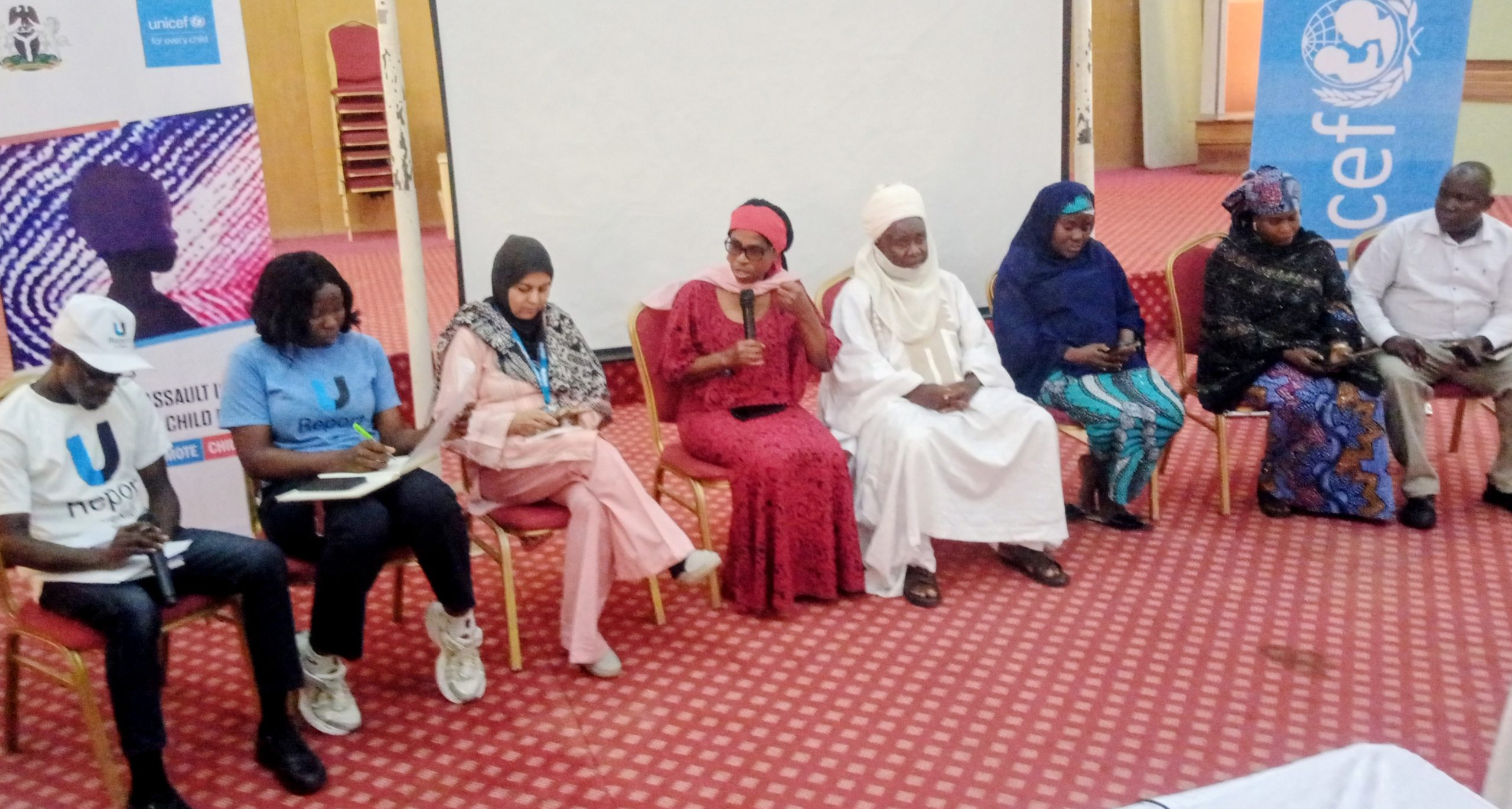
The call was made during a stakeholders’ roundtable and advocacy meeting convened by the UNICEF Bauchi Field Office, where experts, traditional leaders, government officials and media practitioners deliberated on strengthening child protection systems.
Related news
More children to enrol in schools as Adamawa, partners consolidate ECW project
ACF unveils sexual, reproductive health and rights initiative for women, girls in Adamawa
Strengthening resistance: Adamawa kicks off NIPDs campaign for 1.4m children
In her keynote remarks, UNICEF Chief of Field Office, Bauchi office, Dr. Nuzhat Rafique, described child protection as a fundamental right that begins at birth and must be sustained throughout a child’s life.
She emphasized what she termed a “continuum of care,” noting that every child’s first right is birth registration, followed by the right to survival, health, nutrition, protection and education.
“From the moment a child is born, their rights begin. Birth registration is the first recognition of that child’s existence, and it is a fundamental right,” she said.
Dr. Rafique lamented the high rate of maternal and child mortality in Nigeria, stressing that many mothers still die during childbirth, while newborns often do not survive beyond their first days of life. She described this as a major violation of both maternal and child rights.
She further highlighted the importance of immunization and proper nutrition, noting that malnutrition remains one of the leading causes of death among children under five in Nigeria despite the country’s abundant food resources.
According to her, exclusive breastfeeding for the first six months and continued breastfeeding for up to two years are critical to child survival and development, yet awareness remains low in many communities.
Dr. Rafique raised grave concerns over increasing cases of child abuse, including sexual violence against minors.
She disclosed that even infants are not spared, describing the situation as deeply disturbing and a serious violation of children’s rights.
“I have seen cases involving very young children, and it is heartbreaking. These children cannot speak or defend themselves, making protection even more critical,” she said.
She called for improved awareness among parents and communities, noting that lack of education and supervision often exposes children to danger. She stressed that education is key to breaking the cycle of abuse, as informed parents are more likely to protect their children.
Dr. Rafique urged journalists to play a leading role in driving behavioral change through sustained awareness campaigns, adding that child protection is a collective responsibility involving governments, communities, families and individuals.
Also speaking, Barrister Ladi Alabi of UNICEF Bauchi Field Office presented data showing a troubling rise in sexual abuse cases across the three states.
She revealed that between late 2024 and April 2026, Adamawa recorded 244 cases, Bauchi 191, while Gombe topped the chart with 293 reported incidents.
Citing findings from the Violence Against Children Survey, she noted that one in four girls and one in ten boys experience sexual violence, with about 80 percent of victims suffering repeated abuse.
Alabi warned that such violence has far-reaching consequences, including increased risk of sexually transmitted infections, psychological trauma and, in some cases, suicidal thoughts.
She added that one in seven females reported becoming pregnant as a result of sexual violence, underscoring the severity of the crisis.
To address the challenge, she highlighted the role of Sexual Assault Referral Centres (SARCs), which provide integrated services including medical care, psychosocial support, legal assistance and data collection.
According to her, the one-stop centre model helps reduce additional trauma for survivors, improves access to justice and strengthens coordinated response among service providers.
She outlined key steps forward, including increased public financing for child protection, stronger collaboration among stakeholders, sustained awareness campaigns and deliberate efforts to tackle stigma associated with reporting abuse.
In his remarks, a district head under the Dukku Emirate in Gombe State, Idris Muhammad, pledged the commitment of traditional institutions to support child protection initiatives.
He said traditional leaders would step down advocacy messages to grassroots communities and intensify sensitization efforts to curb abuse.
“We will carry this message to our people and ensure that our children are protected. Issues of assault must stop,” he said.
Muhammad, who is also a health professional, noted his role in supporting the establishment of a Sexual Assault Referral Centre in Gombe and emphasized the importance of community engagement.
He revealed that with over 160 district heads in the state, traditional rulers have the structure and influence needed to drive change at the grassroots.
He also called on the media to amplify awareness through jingles, social media and community campaigns, describing journalists as critical partners in the fight against child abuse.