Any coalition requiring Peter Obi to step down dead on arrival – Calculate
By Mohammed Ismail
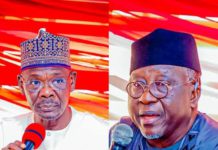
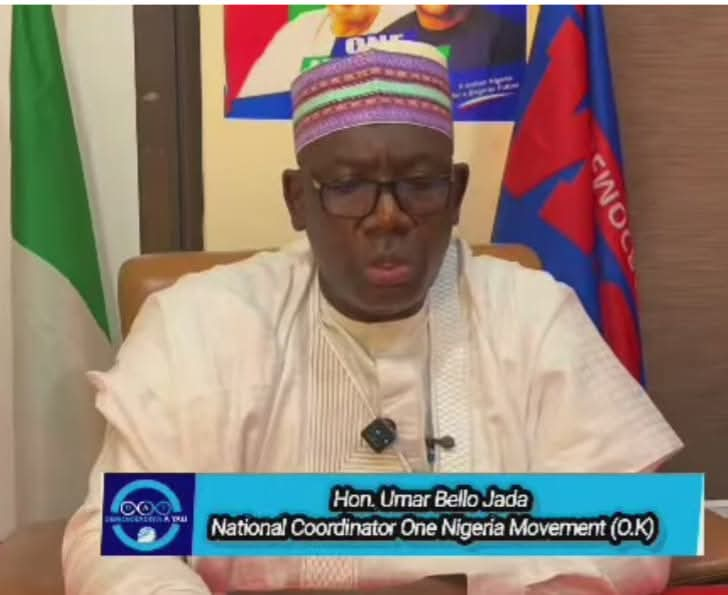
The National Coordinator of One Nigeria Movement, Hon. Umar Bello Jada, has ruled out any opposition coalition ahead of the 2027 presidential election that would require the presidential candidate of the Nigeria Democratic Congress (NDC), Peter Obi, and his running mate, Rabiu Musa Kwankwaso, to step down for another candidate.
Jada, also known as Calculate, said any meaningful alliance among opposition parties must be built around the Obi-Kwankwaso ticket, arguing that a merger that disregarded their candidacy would be difficult to secure.
Related news
Breaking: Calculate resigns as ADC assistant nat’l publicity Secretary
Prison experience has sharpened my resolve to work for Nigeria – Calculate
Kwankwaso is too disciplined, patriotic, clean to be in APC – Calculate
He made the position known in an interview with newsmen, where he outlined the legal status of candidates, the stability of political parties and national acceptability as critical factors that must determine any proposed opposition alliance.
According to him, the coalition question cannot be resolved without addressing the competing presidential ambitions of former Vice-President Atiku Abubakar and the NDC leadership.
Jada argued that Atiku remained determined to contest against President Bola Tinubu in 2027, while Obi and Kwankwaso were equally committed to their joint ticket and believed it offered the opposition a strong chance of defeating the ruling All Progressives Congress (APC).
He suggested that the differences in the political calculations of the leading opposition figures could complicate efforts to reach a consensus on a single presidential candidate.
On the legal requirements for a coalition, Jada expressed concern over the leadership disputes and ongoing litigation involving the African Democratic Congress (ADC), contrasting the situation with the absence of litigation in NDC.
He also claimed that NDC has established political structures across the country, which he said would give the party an advantage in mobilising support for the 2027 election.
Jada rejected suggestions that Obi would struggle to secure substantial support in northern Nigeria, citing Kwankwaso’s political influence in northern Nigeria as a significant factor in the ticket’s prospects.
He maintained that Kano’s voting strength alone could make a considerable difference in the presidential contest.
The One Nigeria Movement coordinator also questioned the organisational strength of the ADC in several states.
He further raised concerns about the party’s position in Adamawa State, Atiku’s home state, citing internal disagreements and questions surrounding the acceptability of its governorship candidate.
Talking about Atiku’s political prospects, Jada attributed the former vice-president’s repeated inability to secure the presidency to poor management of political goodwill, misplaced priorities and inadequate engagement with grassroots supporters.
He argued that politicians cant rely solely on their perceived popularity or the advice of close associates without maintaining direct contact with voters and party loyalists.
Jada also accused Atiku of neglecting some loyal supporters while accommodating figures who, are not committed to his ambitions. He cited developments involving groups in Adamawa and the positions of some former allies as examples of weaknesses in Atiku’s political approach.
The coordinator specifically referenced the Binani political group, arguing that the treatment of loyal supporters has contributed to divisions within the ADC in Adamawa and elsewhere.
He also mentioned former SGF Babachir David Lawal among figures whose relationship with Atiku become a subject of political contention.
Jada said the opposition needs to resolve its leadership disagreements, establish a legally sustainable arrangement and build a nationwide campaign capable of reaching voters at the grassroots.
He maintained that any coalition agreement must reflect the political realities of the parties involved and produce a candidate acceptable to a broad section of the electorate.