A square peg in square hole: Celebrating Sajoh’s leap into NIPR council
By Mohammed Ismail
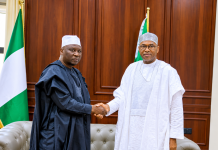
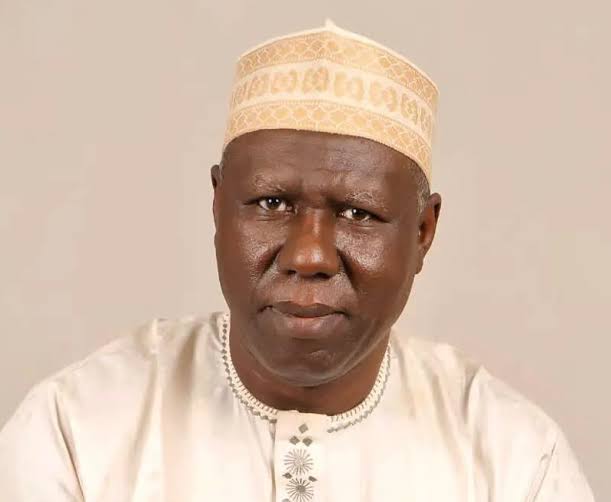
The Nigerian Institute of Public Relations (NIPR) is set for a big deal punctuated by the election of Dr. Ahmed Sajoh as a member of its Governing Council. This milestone, achieved during the 2025 Nigeria Public Relations Week in Uyo, Akwa Ibom State, is more than a personal triumph—it is a national endorsement of a man whose life and work have shaped public relations, journalism, and democratic conversations.
Dr. Sajoh is, unequivocally, a square peg in a square hole. His ascension to the NIPR council is not just fitting—it is symbolic of a career rooted in excellence, ethical advocacy, and intellectual contribution to nation-building.
Related news
NIPR 2023 election: Adamawa endorses ex-commissioner of information, Sajoh
NIPR holds citizen summit on National integration in Bauchi
From newsroom to public office, and from classrooms to national forums, Dr. Sajoh’s journey has been marked by an unwavering commitment to truth, accountability, and the development of a communication culture steeped in integrity. As a seasoned journalist and former Commissioner for Information and Strategy in Adamawa State, he revolutionized state-level communication by championing transparency and strategic public engagement.
His work was not just about information management—it was about nationhood. Through media, education, and policy advocacy, he has built platforms that bridge gaps between government and citizens, making communication a vehicle for trust and transformation.
Dr. Sajoh has long stood as a moral compass within the public relations ecosystem. He has lent his voice to the development of ethical communication practices, offering thought leadership in countless national and regional symposia, where he consistently advocates for professionalism, empathy, and truth in public messaging.
His appointment to the NIPR council is therefore both a continuation and an amplification of his life’s mission—to elevate PR standards, empower professionals, and foster a culture where public communication serves the public good.
What sets Dr. Sajoh apart is his unique ability to marry professional expertise with national consciousness. Since Nigeria’s return to democracy in 1999, he has emerged as a trusted voice during critical junctures in the nation’s journey—offering insights, contexts, and actionable solutions. Whether navigating inter-regional tensions, electoral transitions, or economic crises, Dr. Sajoh’s interventions have always been marked by wisdom, balance, and patriotism.
At a time when Nigeria craves principled voices in public discourse, his presence on the NIPR council offers a renewed promise of responsible, informed, and unifying national conversations.
Dr. Sajoh’s election comes with expectations—expectations I believe he is more than equipped to meet. His vision for NIPR is anchored in inclusive growth, continuous professional development, and a reinvigorated public engagement strategy that places the institute at the heart of national policymaking and public enlightenment.
I believe a transformative force, he will ensure that NIPR not only sets standards but also sets agenda—guiding Nigeria through the maze of modern communication challenges with integrity and foresight.
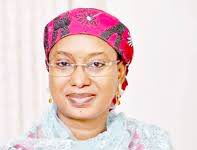
As I had expected, the election of Dr. Sajoh has elicited a trai of exuberant and heartwarming tributes from all crannies of Nigeria, including from distinguished personalities like Senator Aishatu Dahiru Ahmed (Binani), Dr. Muhammad Dodo and numerous other personalities who praised Dr. Sajoh’s emergence as a well-deserved recognition of years of committed service to the nation.
This collective celebration reflects the deep respect he commands across political, professional, and civic circles. To many, he is not just a colleague or mentor—he is a national asset.
As Nigeria confronts a rapidly evolving communication landscape, the inclusion of Dr. Ahmed Sajoh in the NIPR Governing Council signals hope, strength, and renewed purpose. His story is not just a personal success—it is a call to all communicators, journalists, and patriots to rise to the challenge of building a better-informed, more united Nigeria.
Indeed, in Dr. Ahmed Sajoh, Nigeria has not only found a capable council member—it has affirmed the value of experience, integrity, and lifelong service. I will continue to personally celebrate Sajoh for the landmark exploits he made in my life. Although destiny has a way of separating even the most closest associates and friends, I would continue to cherish the times we share with the respected statesman. NIPR will witness epochal milestones with the coming of Sajoh. I have no doubt about that.
Ismail, the editor of Fact check news writes from Yola.