
IWD: Stakeholders advocate strengthening of women’s SRH in Adamawa
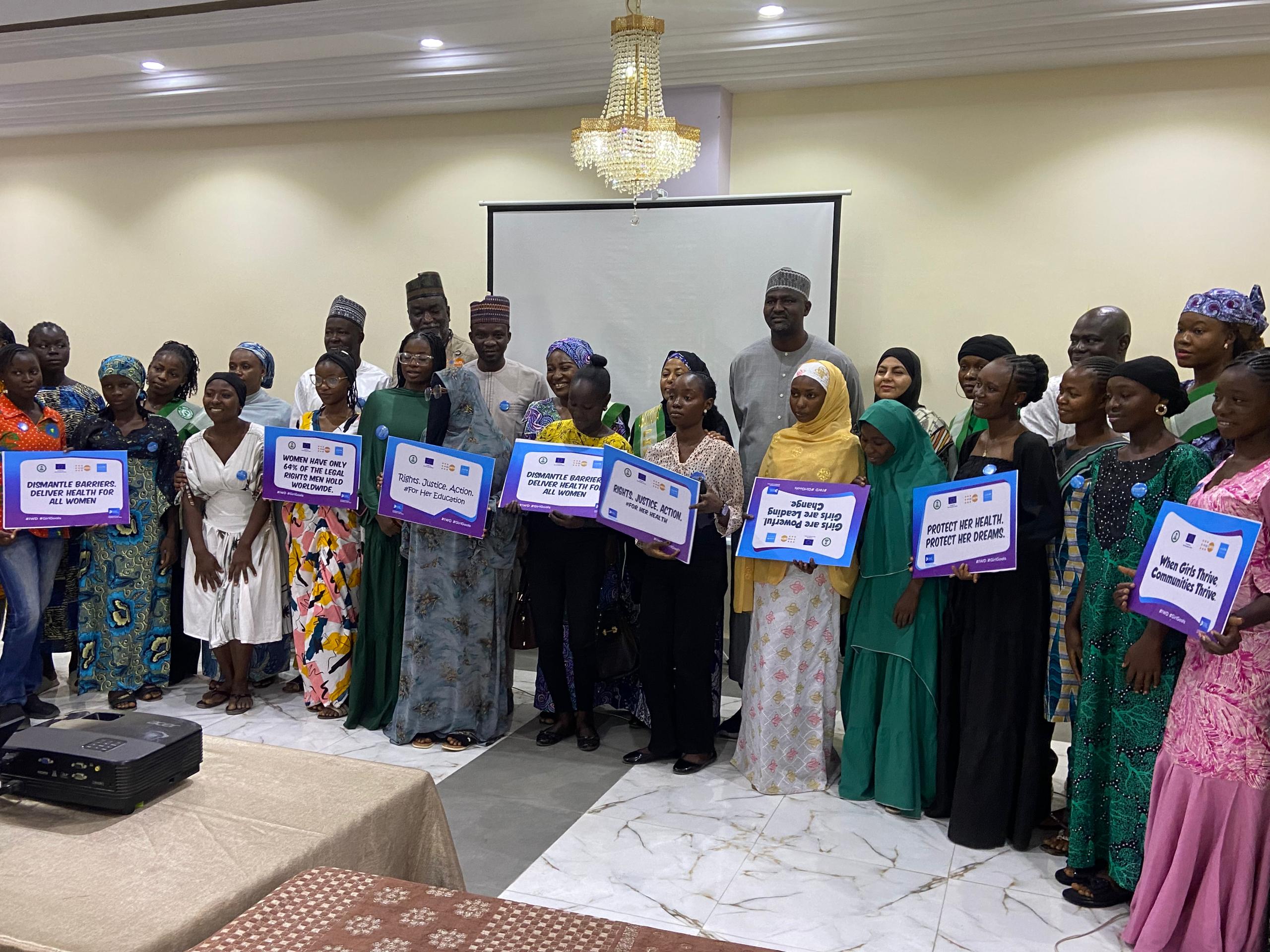
Stakeholders in the health sector and development partners have called for stronger and more coordinated action to address the challenges affecting women and girls, particularly in the area of sexual and reproductive health (SRH), as Adamawa State commemorated the 2026 International Women’s Day.
The event, organized by the Adamawa State Government with support from UNICEF, brought together policymakers, health professionals, adolescent groups to discuss a wide range of issues affecting women under the theme “Rights, Justice and Action for All Women and Girls.”
Bwatiye people, Army disagree over shooting of protesting women in Adamawa
PWDs Applaud Adamawa First Lady’s Intervention, Seek Disability Rights La
FG flags off presidential emergency food, nutrition distribution in Adamawa
Speakers at the event stressed that achieving gender equality requires deliberate policies and sustained commitment to protect the health, dignity and rights of women.
In his welcome address, the Executive Chairman of the Adamawa State Primary Healthcare Development Agency (ADPHCDA), Dr. Sulaiman Saidu Bashir, said the theme of the celebration was timely as it highlights the urgent need to address structural barriers affecting women.
He explained that Adamawa State had adopted a unique approach by engaging adolescents and young people in conversations about women’s health and rights.
According to him, empowering young people with knowledge on reproductive health and gender equality would help prevent many of the challenges affecting women later in life.
Dr. Bashir noted that prevention remains a core principle of primary healthcare and emphasized the importance of early education on health issues affecting women. He urged participants to use the platform not only to discuss challenges but also to develop practical solutions that could be implemented in communities.
“We must look critically at the disproportionate burden women carry in areas such as healthcare, education, economic opportunities and even the effects of climate change. This gathering should lead to concrete actions that can change the narrative and improve the lives of women and girls,” he said.
He also encouraged the media and community leaders to help amplify advocacy messages on women’s rights and reproductive health in order to create wider awareness.
The Chief of UNICEF Bauchi Field Office, Dr. Nuzhat Rafique, in her remark stressed that advancing the rights of women and girls requires the collaboration of both men and women.
She commended the Adamawa State Government for its commitment to improve healthcare services and for initiatives that support women and children, particularly through primary healthcare programmes and maternal health interventions.
Dr. Rafique emphasized that access to basic rights such as healthcare, education, nutrition, clean water and protection from violence is essential for women’s empowerment.
She noted that women in remote communities often face significant barriers in accessing these services, stressing the need for deliberate policies that ensure equitable access for all women regardless of their location.
“Every woman and girl must be able to access her rights without discrimination, whether she lives in an urban centre or in a remote rural community,” she said.
Dr. Rafique also highlighted the importance of adolescent reproductive health programmes, noting that investments in young people would help protect the health and wellbeing of future generations.
Also in her presentation highlighting the challenges facing women in accessing SRH services, Dr. Maisaratu Bakari, of the Modibbo Adama University Teaching Hospital (MAUTH) drew attention to the alarming maternal mortality situation in Nigeria.
She noted that Nigeria remains one of the countries with the highest maternal mortality rates in the world, with an estimated 993 deaths per 100,000 live births.
According to her, thousands of Nigerian women die every year from pregnancy-related complications, many of which are preventable.
Dr. Bakari identified several barriers contributing to maternal deaths, including limited access to skilled healthcare workers, long distances to health facilities, financial constraints and poor awareness of danger signs during pregnancy.
She explained that many complications arise from delays in seeking care, reaching health facilities or receiving adequate treatment once at the hospital — a phenomenon widely known as the “Three Delays Model.”
She warned that harmful practices such as child marriage, female genital mutilation and gender-based violence continue to threaten the health and rights of women and girls.
According to her, early marriage and adolescent pregnancy expose girls to severe health risks including obstructed labour, pre-eclampsia and obstetric fistula.
She stressed that education remains one of the most powerful tools for addressing these challenges, as educated girls are more likely to delay marriage, make informed health decisions and contribute to their communities.
Dr. Bakari called for strengthened primary healthcare systems, expanded health insurance coverage and increased community awareness on reproductive health.
She also emphasized that addressing maternal health challenges requires collective responsibility from government, healthcare providers, community leaders and families.
Participants at the event agreed that translating the theme of the 2026 International Women’s Day into reality requires sustained investment in women’s health services, stronger enforcement of laws protecting women and increased public education on sexual and reproductive health.
They noted that improving maternal health outcomes and protecting the rights of women and girls would not only save lives but also strengthen families and contribute to sustainable development.