
Why fighting malnutrition becomes compelling in Nigeria
By Mohammed Ismail
More than ever in history, the need to address child malnutrition in Nigeria has become compelling as it has become one of the health challenges that causes high morbidity and mortality rates amongst children within the age bracket of 0 – 5.
It has also become a topic of concern and public discourses by health experts and other stakeholders because of its debilitating impact on the future of our great nation.
RELATED NEWS
Malnutrition: MSF raises the alarm over death of 854 children in Zamfara Sokoto, Katsina
Nutrition: How UNICEF intervention help us fight malnutrition, poverty; Gombe women
UNICEF scales up fight against child wasting, urges more investments by govts
Nigeria’s current population is projected at 228,597,211 as at May 27, 2024, based on Worldometer elaboration of the latest United Nations data 1.
Out of that population, children within the age bracket of 0 – 14 constitute a whooping 58, 736,294 representing 41.83 percent. Unfortunately, that number was significantly undermined and whittled as a result of high mortality rate exacerbated by malnutrition and other child killer diseases.
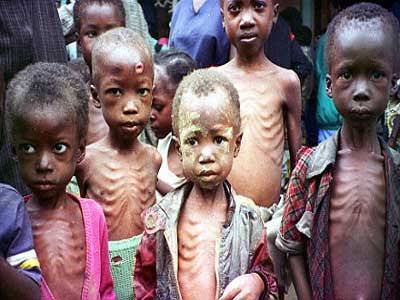
Data has shown that in Nigeria, 37 per cent of children, or 6 million children, are stunted (chronically malnourished or low height for age), more than half of them severely. In addition, 18 per cent of children suffer from wasting (acutely malnourished or low weight for height), half of them severely.
A report by UNICEF also indicated that
every hour, no fewer than 100 children under 5 years die of malnutrition which roughly approximates to the death of 2,400 children to malnutrition on daily basis occur.
A UNICEF assessment of child malnutrition carried out in some states of Nigeria in 2022 revealed that 6 million out of the 17 million food-insecure Nigerians are children under 5 living in Borno, Adamawa, Yobe, Sokoto, Katsina and Zamfara states.
It was predicted in 2022 that the number of children suffering from acute malnutrition in Borno, Adamawa and Yobe States will increase from 1.74 million in 2022 to 2 million in 2023.
Also, it is estimated that nearly 4.4 million children aged 0 – 59 months are suffering and will likely continue to suffer from acute malnutrition in the period of May 2023 – April 2024 in northwest and northeast Nigeria. This includes 1.04 million cases of Severe Acute Malnutrition (SAM) and 3.37 million cases of Moderate Acute Malnutrition (MAM).
About seven percent of children under five years in Nigeria experience wasting, above the global average of 4.6%. Worse still, 31.5% of children experience stunting, which is also above the global average of 19.9%. The worst of all is the fatal consequences of malnutrition in Nigeria.
The scourge of child malnutrition is even worsened by the alarming food inflation that gripped Nigeria by the jugular. Recent statistics about the hunger level in Nigeria occasioned by food inflation is simply mind boggling and alarming.
There is a deteriorating food security and nutrition crisis in Bauchi, Adamawa, Gombe, Yobe and Borno states.
According to the Government-led Cadre Harmonise analysis released in March this year, in Borno, Adamawa, and Yobe states, some 4.8 million people are estimated to be facing severe food insecurity, the highest levels in seven years. Children, pregnant and lactating women, older persons, and people living with disabilities are among those who are most vulnerable. About 2.8 million of these people need urgent interventions.
The prices of staple foods like beans and maize have increased by 300 to 400 percent over the past year because of a cocktail of reasons. Inflation is outpacing the ability of families to cope, making essential food items unaffordable.
Furthermore, the report stated that “malnutrition rates are of great concern. Approximately 700,000 children under five are projected to be acutely malnourished over the next six months, including 230,000 who are expected to be severely acutely malnourished and at risk of death if they do not receive timely treatment and nutrition support.”
The Acting Representative of UNICEF Nigeria argues that “this year alone, we have seen around 120,000 admissions for the treatment of severe acute malnutrition with complications, far exceeding our estimated target of 90,000”. This statistics are for only 3 states in the Northeast Nigeria. Imagine what it will be for the whole 36 States in Nigeria. There is real fire on the mountain!
This rising hunger is not peculiar to the Northeast, rising hunger and poverty is pervasive across all six geopolitics zones.
This staggering and disturbing revelation is a source of concern to all the stakeholders especially the federal government, state governments, donors and partners in the health sector which calls for prompt action to tame the Frankenstein monster.
Why the Child Nutrition Fund (CNF) was floated
To address the mortality, morbidity and wastage of children as a result of child malnutrition and poverty, the United Nations Children’s Fund (UNICEF) with support from the U.K, the children’s investment fund foundation, Bill and Melinda Gates foundation and others are backing a coordinated global agenda and action plan to end child wasting through Child Nutrition Fund (CNF).
The CNF with an estimated financing need of $3.4bn per year, is expected to reach no fewer than 300 million children yearly till 2030.
Nigeria currently has the second highest burden of stunted children in the world, with a national prevalence rate of 32 percent of children under five. An estimated 2 million children in Nigeria suffer from severe acute malnutrition (SAM), but only two out of every 10 children affected is currently reached with treatment.
In view of the dire nutrition situation in Nigeria it becomes compelling for the state actors to take the lead by providing counter funding to the CNF to prevent child wasting and even high child mortality rate occasioned by child malnutrition.