
Adamawa communities vow to sustain ODF poise through disciplinary measures, bye laws
Adamawa communities in Ganye Local Government Area have pledged to sustain their Open Defecation Free (ODF) status, citing the life-changing impact of interventions in Water, Sanitation and Hygiene (WASH), immunization, nutrition and education.
The commitment was made during a field visit by journalists to communities benefiting from projects implemented by UNICEF and the ASWA III programme funded by the Netherlands Government. The tour, led by the Chief of UNICEF Bauchi Field Office, Dr. Nuzhat Rafique, provided first-hand evidence of how coordinated health and social interventions have reshaped community life.
Related news
Stakeholders push for solid investment in children’s first 1,000 days at Yola dialogue
Child rights in focus as APHCDA, women affairs min., Adamawa poly enter pact
Adamawa schools remain open: Fintiri promises hard times for mischief makers
Across the benefiting districts, traditional rulers and community leaders said the gains recorded go beyond the construction of toilets and boreholes.
They stressed that the combined impact of clean water supply, improved sanitation, routine immunization, better nutrition practices, hygiene education and increased school enrollment has significantly reduced disease outbreaks and improved family income.
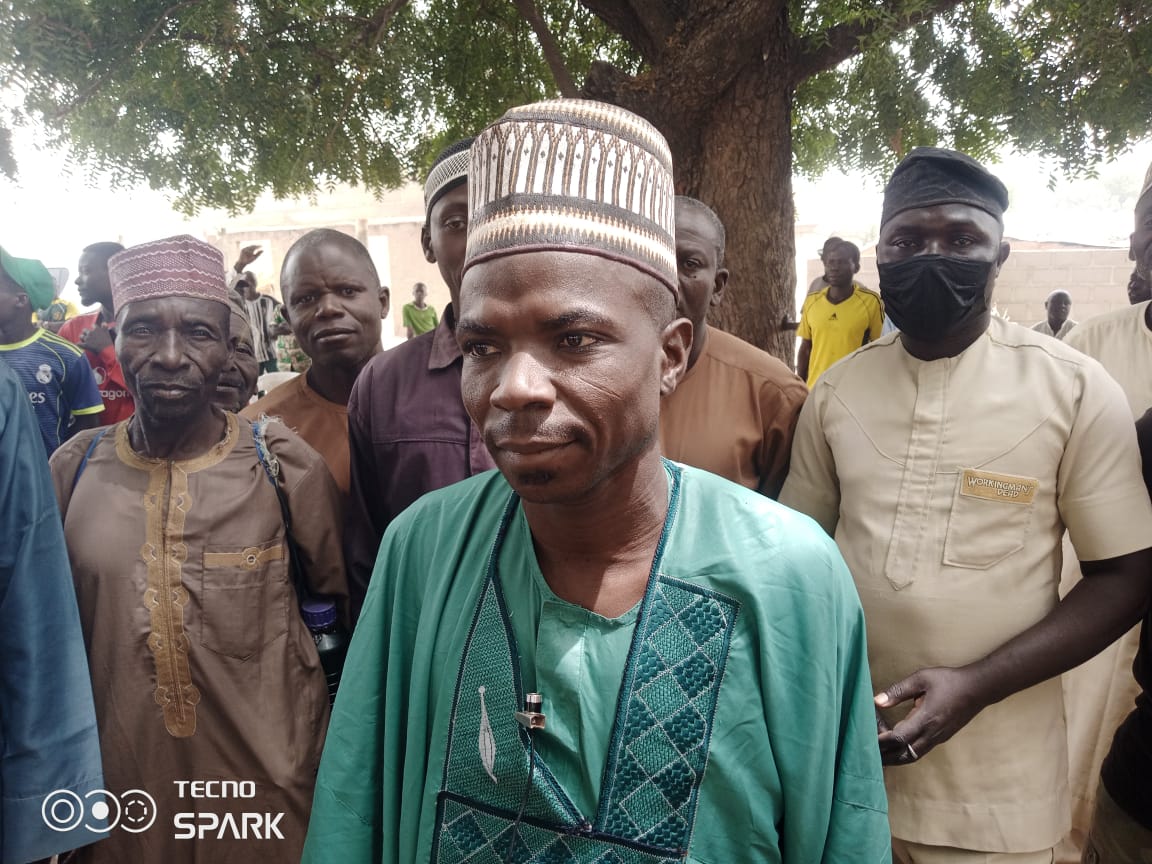
The District Head of Gurumpawo, Alhaji Hammantukur Mohammed Gisilanbe, described the intervention as a turning point for his people.
According to him, before the WASH programme, open defecation was common practice, leading to the contamination of rivers and streams that served as sources of drinking water and domestic use.
He recalled that cases of diarrhea, cholera, typhoid fever and other water-borne diseases were frequent, particularly among women and children.
Gisilanbe however said, the situation has changed dramatically due to the provision of solar-powered boreholes, household toilets and sustained hygiene education. He noted that in his domain, failure to construct a toilet in a given household is seen as a taboo because of the glaring health benefits of toilets.
“Our people used to suffer from preventable diseases because of contaminated water and poor sanitation. Now, those illnesses have reduced drastically. Families spend less money on treatment, and our children are healthier now,” he said.
He explained that the improved health status has a direct effect on the local economy. He noted that with fewer sick days and lower medical expenses, households are able to invest more in farming, trading and education while women, who previously spent long hours fetching water from distant streams, now have access to safe water within their communities, freeing up time for productive activities.
To ensure that these gains are not reversed, Gisilanbe said his district is working to formalize bye laws prohibiting open defecation.
He noted that community sanitation committees have already been established to monitor compliance, conduct regular inspections and report offenders to the district head’s office for disciplinary action.
Similarly, in Sankom District, the District Head, Alhaji Kabiru Jelani, said the transformation in public health has been remarkable. He attributed the change not only to improved sanitation but also to strengthened immunization coverage, nutrition awareness and school-based hygiene education.
According to him, health facilities in the area now record fewer cases of preventable diseases.
“Our people rarely go to the hospital except for childbirth, antenatal services or routine care. Immunization has protected our children from deadly diseases, and hygiene practices have reduced infections,” he said.
He added that nearly every household in the district now has a toilet facility, a sharp contrast to the past when open defecation was widespread due to lack of infrastructure.
He said monitoring teams visit homes regularly to ensure continued compliance with sanitation standards adding that offenders are fined, sanctioned or reported to relevant authorities.
He noted that education has also benefited from the interventions. With accessible water supply and improved hygiene facilities in schools, pupils,especially girls no longer miss classes due to water shortages or sanitation challenges adding that reduced exposure to water-borne diseases has further improved school attendance and academic performance.
Dr. Nuzhat Rafique who expressed satisfaction with the progress observed during the visit, commended the communities for taking ownership of the projects and integrating behavioural change into their daily lives.
She noted that sustainable development can only be achieved when communities themselves champion the cause.
“It is encouraging to see families building toilets, practicing handwashing, immunizing their children and embracing nutrition education. These actions are saving lives and strengthening the future of these communities,” she said.