Adamawa targets 130,000 children in fresh polio vaccination drive across two LGs
•Gombi, Fufore campaign holds November 5–12 as WHO seeks community support
By Mohammed Ismail
The Adamawa State Government has earmarked 130,000 children aged between zero and 59 months for vaccination against polio in Gombi and Fufore Local Government Areas as part of renewed efforts to close immunity gaps and prevent the transmission of the disease.
The exercise, scheduled for November 5 to 12, 2026, is being implemented under the Subnational Immunisation Plus Days (NIPDs), a targeted intervention designed to strengthen children’s immunity in high-risk communities across 19 states of the federation.
Related news
Adamawa targets over 1.3m children in 2nd round immunization from 2 – 5 May
Fintiri gives Adamawa APC campaign cttees November 6 Deadline for Work Plans
How synergy between parents, health workers sustains immunization success in Adamawa
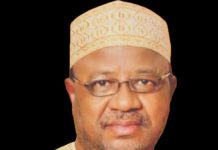
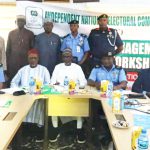
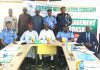
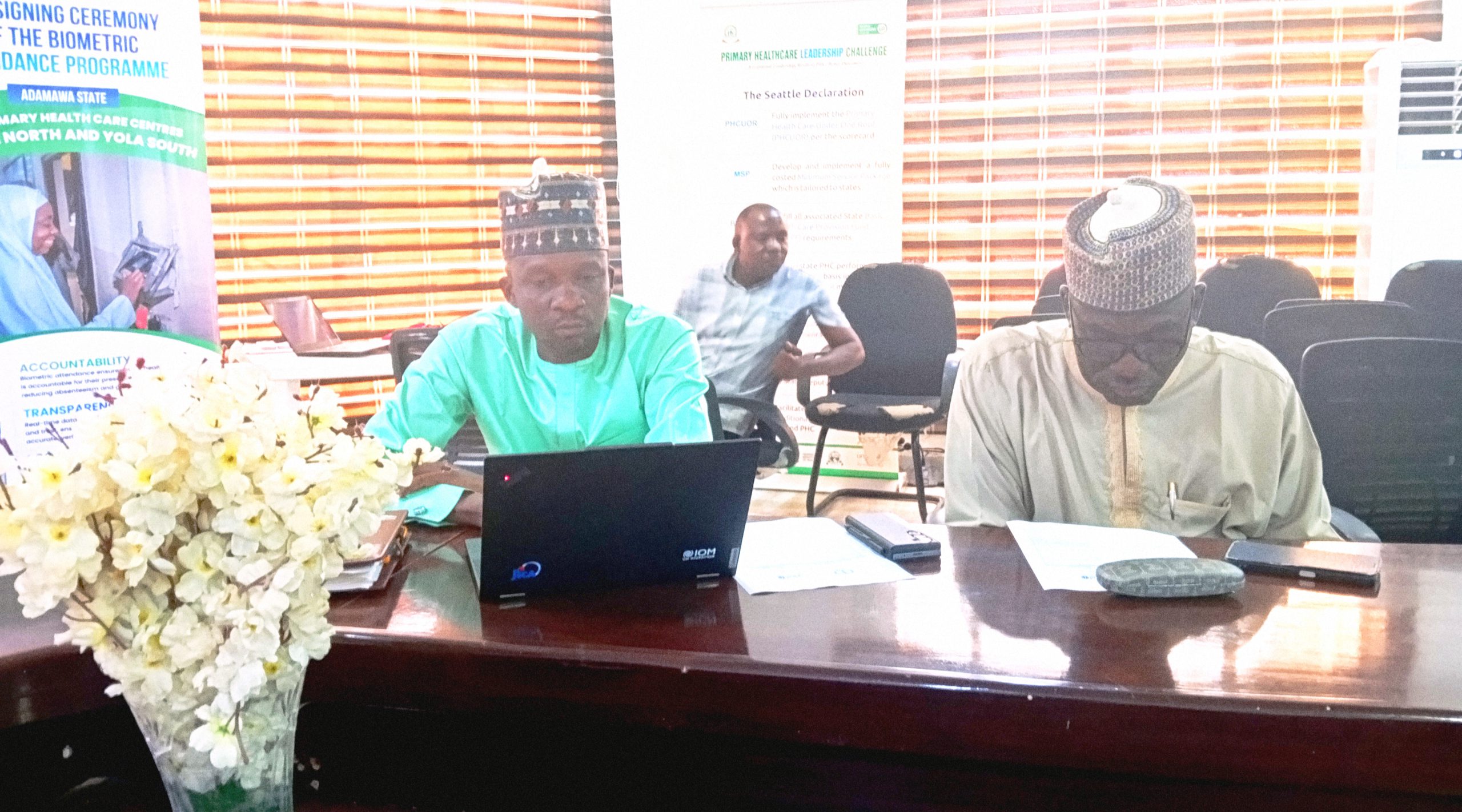
The Director of Disease Control and Immunisation at the Adamawa State Primary Healthcare Development Agency, Dr James Vasumu Jacob, disclosed this during a media dialogue organised ahead of the vaccination exercise.
Jacob explained that the selection of Gombi and Fufore followed an assessment of their immunisation coverage, disease surveillance records and the history of circulating poliovirus in the two local government areas.
He said the intervention was part of a broader strategy developed by the Federal Ministry of Health in collaboration with the National Primary Health Care Development Agency and development partners to protect vulnerable children against vaccine-preventable diseases.
According to him, the exercise will prioritise children between zero and 59 months, particularly those living in communities where routine immunisation coverage remains inadequate and the risk of poliovirus transmission is considered significant.
“We examined some of the risk factors in these areas, including their immunisation coverage and reported outbreaks of circulating poliovirus over the years. We also reviewed routine immunisation data available at both national and state levels before arriving at the decision to prioritise these two local government areas,” he said.
The director explained that the targeted approach was informed by the need to identify immunity gaps and concentrate resources on populations requiring additional protection against the disease.
He stressed that the campaign would complement routine immunisation services rather than replace them, adding that reaching every eligible child remained central to the state’s disease prevention strategy.
In a goodwill message, the World Health Organisation’s Immunisation Focal Person, Babangida Usman, reaffirmed the organisation’s commitment to support the Adamawa State Government and its partners to achieve effective implementation of the campaign.
Usman described polio as a highly infectious disease that primarily affects children under five and can cause irreversible paralysis, warning that children missed during vaccination could sustain transmission within their communities.
He said the forthcoming exercise offered another opportunity to close immunity gaps, particularly among children in underserved settlements, hard-to-reach communities, nomadic populations and migrant households.
The WHO representative urged parents and caregivers in Gombi and Fufore to make their children available to vaccination teams, emphasising that every eligible child should receive the polio vaccine irrespective of previous vaccination history or participation in routine immunisation.
He maintained that previous vaccination should not discourage parents from presenting their children during the campaign, as repeated doses form part of the strategy for building and sustaining adequate immunity against poliovirus.
Usman also called on traditional rulers, religious leaders, community influencers and other stakeholders to mobilise residents, address misconceptions and counter misinformation capable of undermining public confidence in vaccination.
He particularly emphasised the strategic role of the media in ensuring that accurate information reaches households before and throughout the exercise.
“The media remains a critical partner in public health interventions. Journalists should use their platforms to disseminate accurate information, encourage public participation and address vaccine misinformation,” he said.
He assured that WHO would provide technical guidance, coordination, monitoring and operational support to ensure that the exercise meets the required standards of quality, accountability and effectiveness.
Usman noted that the success of polio eradication efforts depended not only on the availability of vaccines but also on sustained government commitment, effective community mobilisation and the willingness of parents to cooperate with vaccination teams.
He urged stakeholders to regard the campaign as a collective responsibility, warning that leaving children unvaccinated could expose them and other members of their communities to the risk of poliovirus transmission.